US Toll Free : +1-800-897-1053 Call or Fax 9.30 to 5.30 pm EST Mon to Fri.
- Language
- Refer $
- Track Order
- Request a Call Back
- %
Living with Parkinson’s brings unique challenges that significantly impact one’s quality of life. It’s common for Parkinson’s patients to worry about the impact of this disease on their lives. Parkinson’s disorder tends to touch every facet of a person’s daily tasks. Tasks that were once ordinary can become frustrating, daunting, and hindering independence. Parkinson’s disease impacts the brain and affects the movements, balance, and coordination of the patient. In its early stages, symptoms can be mild and easy to overlook. Recognizing the early symptoms of Parkinson’s disease allows for timely evaluation and better treatment. In this blog, we will learn about Parkinson’s treatment, early signs, and daily management.
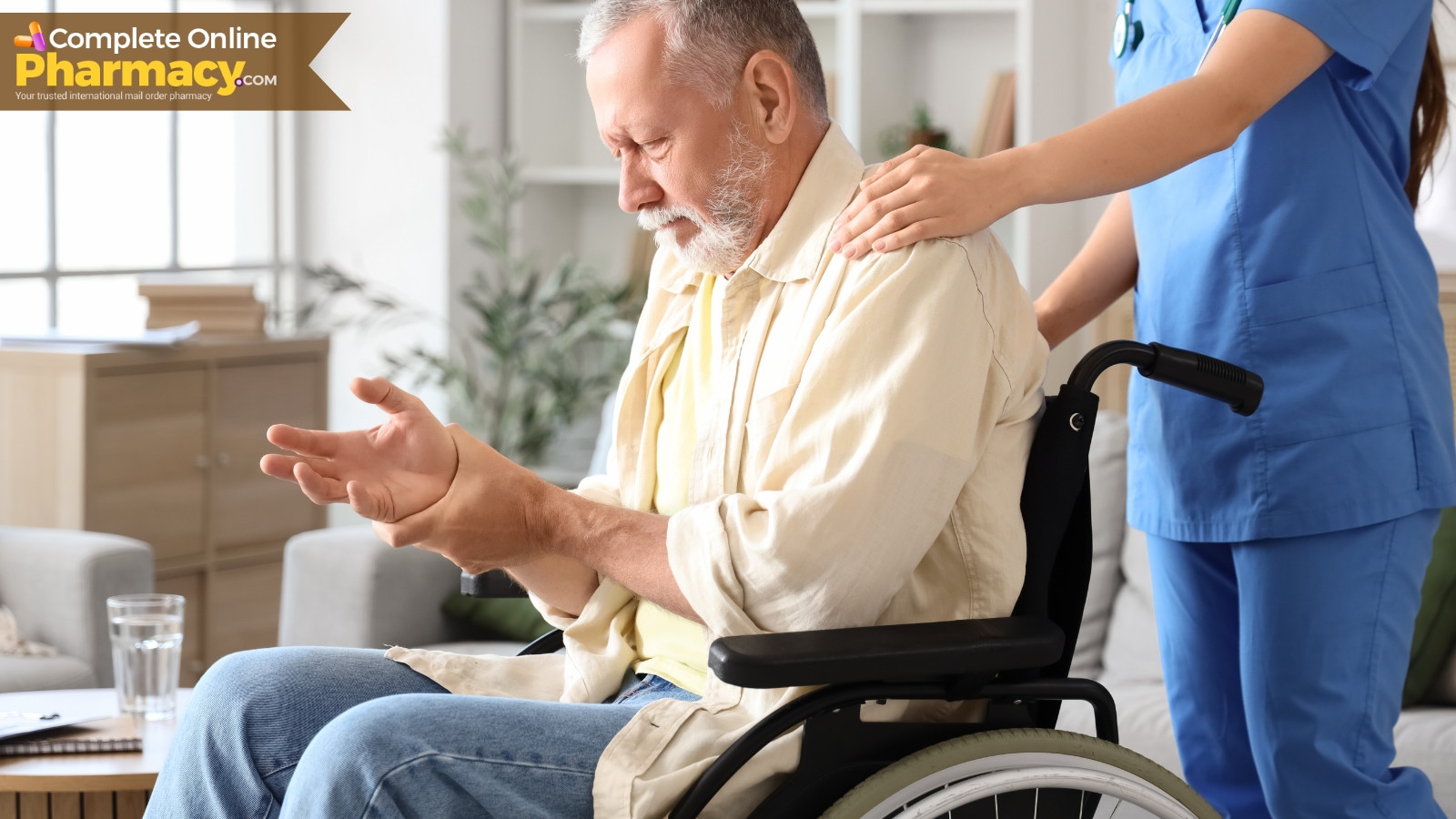
Parkinson’s disease is a chronic, worsening neurological disorder that mainly impacts movement. It occurs when brain cells that are responsible for producing dopamine (a chemical responsible for smooth, coordinated muscle movements) start to die. This results in the shaky, stiff, and slow movements of a person. While the exact cause is still not known, Parkinson’s is known to develop gradually and impact different people differently. It is not fatal, but the problems it causes can be fatal if not managed well. There is no cure for this disease yet, but early diagnosis, timely care, medications, and therapies help manage symptoms to improve daily life.
It is very crucial to detect the early symptoms of Parkinson’s in order to control its progression effectively. The initial symptoms of Parkinson’s disease are mild and vary significantly from one person to another, so identifying them early can be difficult. Initially, symptoms tend to appear on one side of the body and then on both sides.
Some early symptoms of Parkinson’s disease include:
Tremors: Mild shaking or tremors in the hands, fingers, or limbs, especially while resting.
Muscle stiffness: Stiffness in the limbs or trunk area that may cause problems in movement and lead to discomfort.
Bradykinesia: Slow movement, causing daily tasks to take more time than usual.
Loss of smell: A weaker ability to smell some perfumes or foods.
Changes in posture: Problems with posture, such as stooping or hunching, and trouble keeping balance.
Facial masking: Fewer facial expressions, making the face look “masked.”
Changes in handwriting: Handwriting may become messy or very small.
These are the advanced symptoms that appear after the early symptoms:
Extreme tremors: Sensation of the tremors that can be felt in the other parts of the body too.
Cognitive decline: Memory issues, confusion, and problems concentrating.
Severe depression or anxiety: Various mood disorders like depression, anxiety, and panic attacks are common in advanced stages.
Difficulty walking: Trouble starting to move, walking, and moving around.
Changes in speech: Speech may become extra soft, unclear, or show minimal modulation.
Sleep disturbances: Insomnia, restless leg syndrome, or vivid dreams.
It is crucial to understand what causes Parkinson’s disease to identify individuals who may benefit from early screening and monitoring. The exact reason for Parkinson’s disease is still not clear, but it is believed that it’s an outcome of a combination of genetic and environmental factors that cause loss of dopamine-producing neurons in the brain.
Some of the factors responsible for the development of this disorder are:
Genetics: Certain genetic factors are known to increase a person’s risk of developing the disorder. This disease can run in families, which means there is a high risk of inheriting it from either or both of your parents.
Environmental Factors: Research shows that exposure to certain environmental toxins can increase the risks of Parkinson’s disease. Certain chemicals, herbicides, and other harmful toxins contribute to the development of Parkinson’s disease. However, there is no such evidence that claims these factors are the main cause of this disorder.
Head Injury: Studies show that severe head trauma or multiple head injuries are a recognized risk factor for Parkinson’s disease. Moreover, long-term consumption of specific medications, such as antipsychotic tablets, can also lead to a high risk of developing this disorder.
Age and Autoimmune Factors: Age is one of the greatest factors responsible for Parkinson’s, with most people acquiring the disease after the age of 60. There are also some links between Parkinson’s and autoimmune diseases such as rheumatoid arthritis, which point towards underlying inflammatory mechanisms that could affect the nervous system.
While there is no exact cure for Parkinson’s disease, there are certain treatments available to manage the symptoms and improve quality of life. Below are some treatment options for managing the symptoms of Parkinson’s disease.
Pharmacological Treatment: The primary approach for treating Parkinson’s disease often involves a wide range of medications that boost dopamine levels or replicate its actions in the brain. Mirapex is one of the effective medications that mimics the action of dopamine in the brain. You can easily get these generic Parkinson’s drugs online from a reliable online pharmacy.
Surgery: In advanced stages of Parkinson’s, where medications generally fail to provide relief from Parkinson’s symptoms. Deep brain stimulation for Parkinson’s may be considered. This technique carefully places a neurostimulator that delivers controlled electric signals to the specific regions of the brain. By adjusting the abnormal electrical activity in these areas, Deep Brain Stimulation can help improve motor function.
Physical and Occupational Therapy: Physical therapy helps keep a patient mobile and balanced, which can affect independence and safety. Exercise campaigns can improve strength, flexibility, and balance, and even reduce the severity of motor symptoms. Occupational therapy aims to enhance the ability to do daily activities, providing solutions for activities that seem difficult now.
Speech Therapy: Parkinson’s disease can also impact an individual's speech. In speech therapy, the therapist helps patients improve speech clarity, vocal intensity, and communication skills.
Ongoing Monitoring: Regular monitoring is essential to adjust treatments as the disease progresses and the patient’s requirements shift. It involves timely consultations with neurologists, adjustments in therapy, and ongoing assessment of the treatment response.
Living with Parkinson’s disease requires adjustments in daily life. Many patients find that bringing some small changes to their lifestyle can create a vast impact on the quality of their lives. Here are some of the coping strategies that will help in reducing the effect of Parkinson’s symptoms:
Stay Active: Regularly do physical exercises to maintain flexibility, strength, and balance. Start gentle exercises such as walking, swimming, and yoga.
Stress Management: Stress triggers the release of cortisol, a hormone that worsens the symptoms of Parkinson’s, like tremors and stiffness. Practice relaxation techniques like deep breathing that will calm the nervous system and block the stress signals that make movement hard.
Make a Consistent Routine: Make a daily routine, as it helps stabilize dopamine levels. It minimizes stress, enabling the brain to be prepared for the activities. This consistency empowers patients to manage motor symptoms and remain independent.
A person’s everyday life can be very challenging, impacted by the broad range of Parkinson’s symptoms. Although a cure is not possible, several treatment options are available to manage those symptoms. From Parkinson’s disease medication and advanced surgery to essential therapies and lifestyle adjustments, you have several ways to manage the symptoms. Stay informed, be proactive in your care, and keep manifesting for your wellness. By having a positive approach towards your life, you can take control of your journey with Parkinson’s. If you or your loved one is experiencing the symptoms, go for consultation as soon as possible, as early detection helps you manage the symptoms more effectively.
Early symptoms of Parkinson’s disease are tremors, loss of smell, sleep disturbances, handwriting changes, mood changes, speech changes, reduced facial expressions, trouble moving and walking.
Carbidopa-levodopa is a commonly prescribed medication for Parkinson’s disease. Other common drugs include dopamine agonists, MAO-B inhibitors, and COMT inhibitors. These medications work by boosting dopamine.
There is no cure for Parkinson’s disease, but you can slow down the worsening of Parkinson’s symptoms. Doctors use exercise, specialized therapies, and medications to manage the symptoms of Parkinson’s disease. Some research has shown that certain lifestyle changes can help delay disease progression.
Parkinson’s has a vast impact on one’s daily life. Parkinson’s slows down the movements and causes muscle stiffness. Ordinary tasks like brushing teeth, wearing clothes, or walking take much longer than usual. Tremors make holding utensils or writing tough. One might face balance issues that create a high risk of falls, and non-motor symptoms like depression, fatigue, and sleep problems that create a huge impact on the daily lives of Parkinson’s patients.
Certain lifestyle changes required to manage Parkinson’s disease are walking daily, eating brain-healthy foods, getting good sleep, and managing stress levels. All these habits keep you independent, enhance your balance, and might even slow down the progression of this disease.
 10%
Reorder
10%
Reorder  We will match
 and Earn



Comments