US Toll Free : +1-800-897-1053 Call or Fax 9.30 to 5.30 pm EST Mon to Fri.
- Language
- Refer $
- Track Order
- Request a Call Back
- %
Dry eye syndrome can be a daunting and uncomfortable condition to live with. It is a condition that massively affects your daily activities and overall lifestyle. From discomfort with common tasks to severe symptoms that interrupt productivity, dry eyes can cause a ripple effect in your routine. Dry eye is the outcome of a disturbance in tear production and the film that lubricates the eyes. Fortunately, there are several budget-friendly treatments that can bring back the vision and comfort of your eye. In this blog, we will talk about the budget-friendly treatment options for dry eye.
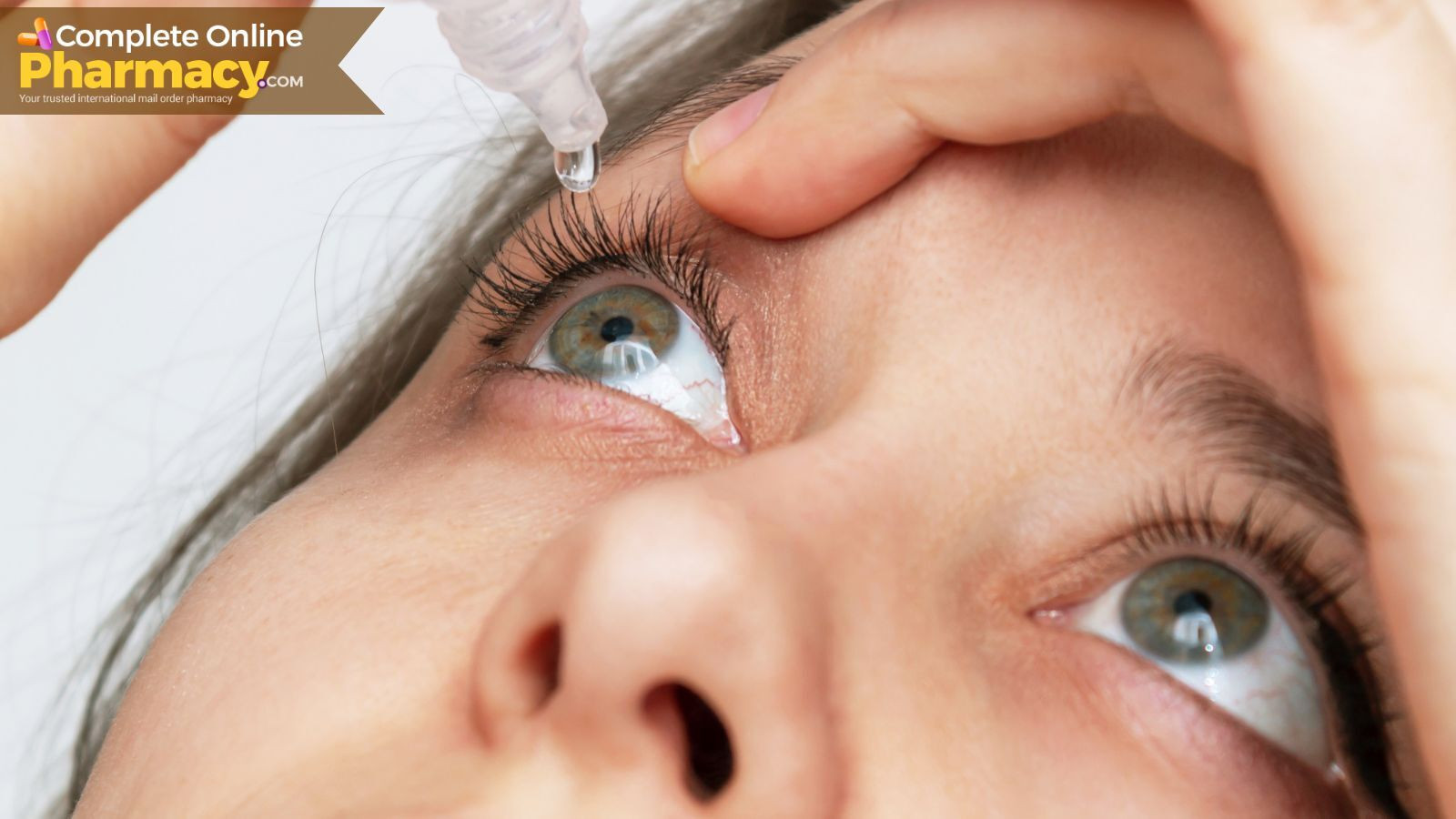
Dry eye is a persistent condition that occurs when an individual is not able to produce enough tears for the lubrication of the eyes. The balance in healthy tears is crucial for keeping your eyes clear, lubricated, and comfortable. Dry eye syndrome can lead to continuous discomfort and even vision issues.
You might think there is sand or grit on the surface of your eye, and such symptoms usually occur due to a lack of proper eye lubrication, which is essential for clear vision.
The symptoms of dry eye can cause mild to severe irritation. If you are worried about any of the following symptoms, it may be the right time to consider dry eye treatment. Here are the common symptoms of dry eye:
Burning or stinging sensation: Your eyes may feel like they are burning or gritty, especially towards the end of the day or in windy conditions.
Blurry Vision: You might experience fluctuations in tear quality that may lead to blurred vision, mainly noticeable during screen time or reading.
Sensitivity to light: People with dry eyes may experience discomfort or pain when exposed to sunlight, as they have increased sensitivity to bright light or flickering screens.
Watery eyes: As your eyes try to lubricate themselves, sometimes the body reacts by overproducing tears. This results in irritated and extremely watery eyes.
Redness: Redness of the eye is typically caused by an eye infection. Experiencing frequent irritation and noticeable redness is the most common symptom of dry eye syndrome.
Difficulty wearing contact lenses: When your eyes are too dry or filled excessively with mucus, it can be a challenge to wear contact lenses with comfort. If you are unable to wear lenses as you used to, it could lead to vision problems.
From tear production problems to low tear quality, several factors can cause dry eyes. Here are the main causes of dry eye syndrome:
Hormonal Imbalance: It is one of the highly contributing factors to dry eye syndrome. Many females go through dry eye syndrome during menopause, pregnancy, or while using contraceptives.
Medications: Multiple medications, like antihistamines, antidepressants, diuretics, decongestants, and beta-blocker drugs, cause a high risk of dry eye symptoms.
Environmental Factors: Smoke, windy climate, and pollution lead to irritated and dry eyes as tear evaporation takes place quickly in such conditions.
Aging: As you age, the body undergoes numerous developments, and the eyes are a target of all the age-related changes. Many people, specifically those over 50, go through a reduction in tear production. This change is generally seen in women due to hormonal changes.
Prolonged Screen hours: Watching the screen for long hours can reduce your blink rate, which lessens the tear production and causes dry eye.
Coping with dry eye syndrome demands a combination of lifestyle changes and treatments customized to restore the moisture to your eyes. Below are some of the effective treatments for dry eyes:
Artificial Tears: Artificial tears are the primary protection against dry eye irritation. These eye drops, as artificial tears, are over-the-counter solutions that add to natural tear production, covering the eye surface to maintain moisture.
Prescription Eye Drops: You might suffer from severe dry eye problems if artificial tears are not effective enough to treat dry eye. Your healthcare expert might prescribe anti-inflammatory eye drops like Restasis and Xiidra that reduce the inflammation and regulate tear production.
Punctual Plugs: Punctual plugs are the savior treatment for dry eye if artificial tears and prescription eye drops are unable to cure dry eye. Punctal plugs give long-lasting relief by retaining your natural tears. They work by blocking the tear ducts and avoiding tears from draining away.
Eyelid Hygiene and Warm Compress: Applying a warm compress to the eyelids improves the tear quality by opening the blocked gland. It is crucial to remove debris and bacteria, contributing to the blockage of the gland, so clean and massage your eyelids.
Along with certain treatment options, lifestyle modifications can also help reduce dry eye symptoms. Here are some lifestyle modifications to prevent dry eye:
Staying Hydrated: Hydration is crucial for your overall eye health. Dehydration reduces tear production and worsens dry eye symptoms. Make sure to drink at least eight glasses of water on a daily basis and stop consuming alcohol and caffeine, which can cause dehydration in your body.
Reducing Screen Time: Long screen time can be a major contributor to eye strain. Screens strain the eyes and reduce blinking, leading to faster tear evaporation. Implement the 20-20-20 rule: after every 20 minutes of regular screen time, take a 20-second break and focus on something 20 feet away.
Exercise and Stress Management: Doing physical activities will improve circulation, which is good for eye health. Moreover, stress can worsen dry eye symptoms, so do relaxation activities such as yoga, meditation, and breathing exercises.
Environmental Factors: Various factors contribute to dry eye syndrome, including air-conditioned or heated rooms. Outdoor conditions, such as sun exposure or dry wind, may also worsen the symptoms of dry eyes. Use humidifiers to protect your eyes and help maintain moisture.
Pilocarpine eye drops are effective for treating a serious dry eye condition, especially in patients with Sjogren’s syndrome. It functions by stimulating the specific receptors in the body that produce more tears. It significantly reduces symptoms of dry eye, swelling, and intraocular pressure, improving the quality of life and comfort for many patients. You can easily buy pilocarpine {2% (w/v)} eye drop in cheap price from any of the trusted pharmacies, but before that, you must know that it can cause some side effects like blurry vision, tearing up, or swelling of the eyes, so be cautious while using the pilocarpine eye drops. If any of the symptoms worsen with time, consult your doctor as soon as possible.
Dry eyes are much more than a minor inconvenience. They can vastly affect the quality of your life, from daily activities to major tasks. Early diagnosis and treatment are important to prevent severe damage to your eyes and maintain your eye health. Now you don’t even have to worry about hefty costs for treatments. There are certain budget-friendly treatments like artificial tears and prescription eye drops that can effectively minimize the symptoms of dry eye syndrome and give you long-term relief from irritation. By understanding various treatment options, you will also have a better understanding to discuss with your doctor about the most suitable treatment according to your condition. Before you buy Isopto carpine 2 percent eye drop 5ml bottle or any other medication for dry eye, make sure to consult with your doctor.
Over-the-counter eye drops like artificial tears and prescription eye drops are effective and the most affordable treatments for dry eyes. These treatments reduce the inflammation and produce natural tears to maintain moisture in your eyes.
Yes, over-the-counter eye drops are very effective for dry eye relief. Lubricating solutions can help supplement natural tears and relieve irritation and dryness.
Lifestyle changes like drinking a lot of water, reducing your screen time, avoiding cigarette smoke, taking breaks while working, exercising, and improving sleep habits can significantly reduce dry eye symptoms.
If you are constantly using artificial tears without getting any relief, it may be the right time to consider prescription treatment for dry eyes. Prescription eye drops treat inflammation and provide long-term relief from dry eyes.
You can use your eye drops for dry eyes four times a day. Do not use the eye drop more than four times a day, as using it more often may lead to severe eye irritation. Also, avoid using a preservative-containing eye drop.
 10%
Reorder
10%
Reorder  We will match
 and Earn



Comments