US Toll Free : +1-800-897-1053 Call or Fax 9.30 to 5.30 pm EST Mon to Fri.
- Language
- Refer $
- Track Order
- Request a Call Back
- %
Baldness sounds horrifying in itself, whether for males or females. It reduces confidence and impacts your self-image, causing stress and anxiety. A premature baldness debilitates one's image regardless of the reason for hair loss. Hair loss was considered for men in the late 60s and 70s, but the genetic and hormonal changes in your body may lead to hair loss earlier. One of the major causes of hair loss in men is due to alopecia, also known as male pattern baldness. Reports show that 30-50% of males are prone to pattern baldness, which may affect the majority of men by the age of 50. It is an autoimmune disease that attacks your hair follicles, causing hair loss in patches. But there is no need to panic, as early diagnosis gives you the best shot at retaining your hair.
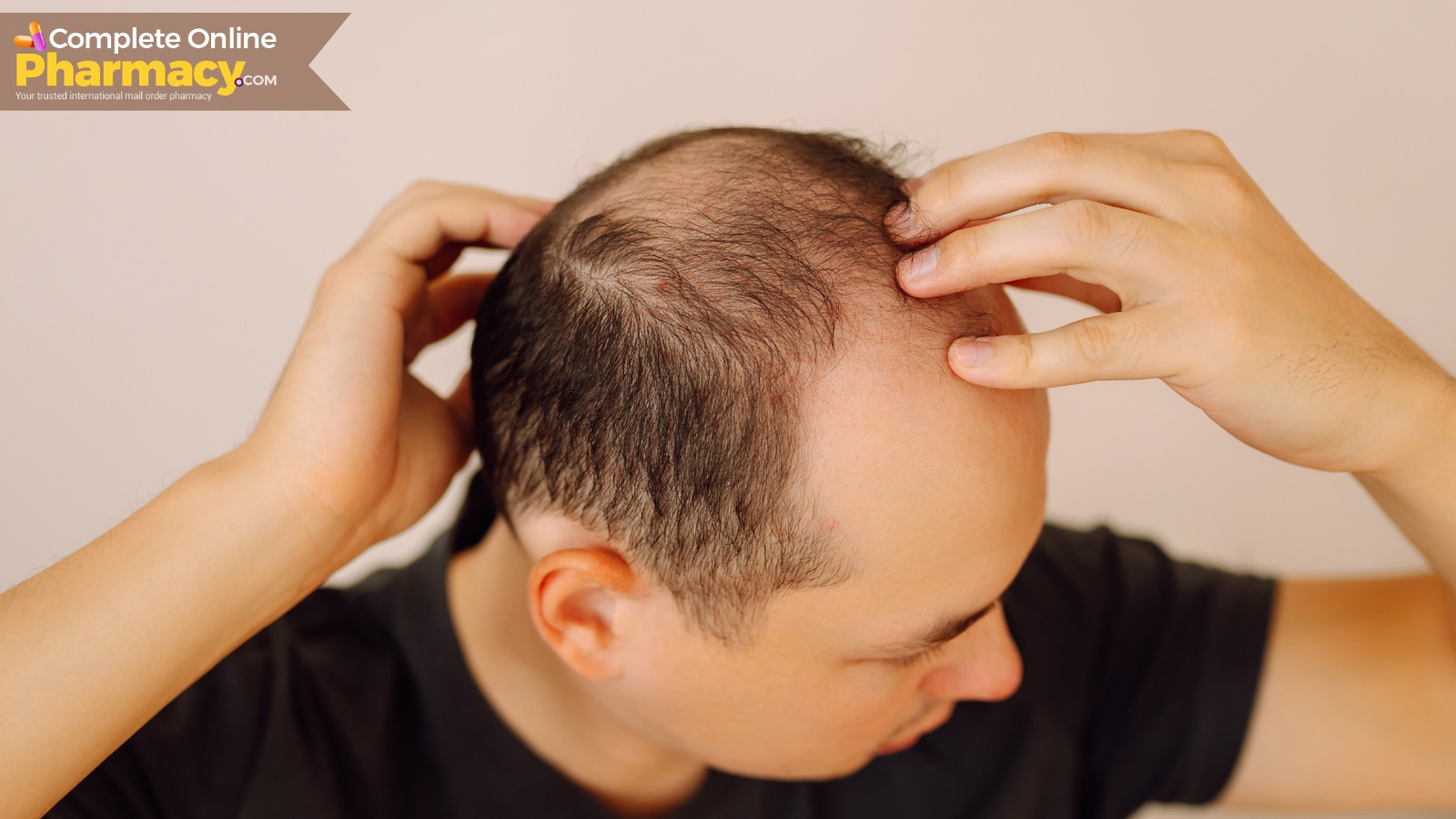
Fortunately, hair loss treatment medication such as Propecia(Finasteride) is available, which not only provides a cost-effective treatment option for pattern baldness but is also equally effective in making up for the damage caused by this condition. So, join us in this journey to explore the usage of this medication so that we can offer hope to those who are searching for a solution. Let's understand what exactly this condition is and how we can use Propecia for the best result.
The most common form of hair loss in men is Male Pattern Baldness. It is a hormonal hair loss condition, which is also medically termed as androgenetic alopecia, which means thinning, receding hairline, and significant hair loss in a pattern that does not grow back on its own. It happens when the hair follicles in your scalp shrink gradually, resulting in thinner and shorter hair. As time passes, the hair stops growing at all. This condition does not affect your physical health directly, but it makes a huge impact psychologically (how you think about yourself) and psychosocially (how society creates an impact on your thoughts and emotions). This condition is usually found in men aged between 20 and 40, but it can impact men of any age. However, the introduction of medication such as Propecia (finasteride) is a great relief for those who are struggling to manage this hormonal imbalance. It’s crucial to diagnose this genetic disorder as early as possible so that prompt action can be taken to manage it effectively. Let’s learn about Propecia and how it is effective in stopping hair loss.
Propecia (Finasteride) belongs to a class of medication called 5-alpha reductase inhibitors. Dihydrotestosterone, or DHT, is a hormone responsible for significant hair loss. It is formed from testosterone by an enzyme called 5-alpha reductase. Finasteride is an active ingredient used in Propecia that blocks this enzyme, which is responsible for hair loss and reduces hair loss. Propecia is commonly prescribed to men, and the studies suggest that you should start taking this medication as soon as you notice hair loss, but upon consulting with your healthcare provider. Finasteride 1mg Tablets are helpful in regrowing hair lost due to this condition, but only where the hair follicles are not completely dead or inactive. It is seen that Propecia works best in preserving and thickening the existing hair. So basically, Propecia lowers the level of DHT and stops follicle miniaturization, promoting significant hair growth.
The dosage of Propecia depends on the individual's condition. You should follow your doctor's guidelines or the directions on the label of the medication. However, if we talk about an average dosage that is recommended, it is one tablet a day for about 3 months to see initial results. You may need to take the medication for a longer period of time, as suggested by your physician. You have to continue taking the medication every day to maintain the result, as stopping to take the medication may again lead to hair loss within a year. You should always ensure regular check-ups to assess progress or to track and eliminate any side effects that may worsen the situation. If you use the medication as prescribed, you will surely experience significant hair growth, which will not only help you manage this condition but will also make you feel confident again. Try not to skip a dose, take as soon as you remember, and do not overdose or take two tablets just because you forgot to take one yesterday. In case of overdose, look out for immediate medical help.
Some of the precautionary and safety measures that should be followed strictly while taking this medication for your better well-being are listed below:
Most importantly, women who are pregnant or planning a baby should not take or even touch the broken or crushed tablets, as it may cause birth defects in male babies. If you come in contact with the medication accidentally, immediately wash your hands as the medication may get absorbed and enter the bloodstream.
Pay regular visits to your doctor to keep a record of your improvement or to see if the medication is working properly. Your doctor will also monitor if you have any side effects and determine the best course of action.
This medication is a 5-alpha reductase inhibitor, which might increase the risk of developing high-grade prostate cancer, and some men may also become infertile by the usage of this medication, so using this medication under the supervision of a health care professional is strictly recommended.
Do not share this medication with anyone, even though you share common symptoms, as it may harm the other person.
Keep the medication away from the reach of children.
Every medication has some side effects. Similarly, Propecia also has some side effects, which get better with time as the body adjusts to it or when you stop taking the medicine. Mostly, the side effects are hormone-driven, as Finasteride (Propecia) affects the body’s hormones. Some common side effects that have been observed by people who are using this medication are:
Skin rash
Breast enlargement
Erectile Dysfunction
Lower ejaculatory volume
Lower sex drive than normal
Finasteride (Propecia) may also cause serious side effects that should be reported to the doctor immediately. However, this is very rare, but we should remain cautious:
Depression
Nipple discharge
Breast pain or lumps;
Blood in your semen;
Difficulty in breathing
Pain in your testicles
Swelling in any part of your face
Allergic reaction, such as hives
Hair loss can indeed be a reason for stress and anxiety in males or females, especially in the early stages of life. Premature hair loss due to alopecia deeply impacts your self-image, but the condition is unavoidable, especially when it is due to a hormonal imbalance. Medication such as Propecia(Finasteride) is like a boon for people who are suffering through this condition, as it specifically targets the hormones responsible for this genetic disorder. The treatment not only increases the chance of thicker, fuller hair growth but also helps to regain your confidence. You can buy Propecia 1mg online from trusted pharmacies such as Complete Online Pharmacy, which provides safety and security through its reliable service. So if you see any sign of hope, you should definitely give this hair regrowth journey a try, as it's hard to beat someone who never gives up.
The presence of high levels of DHT in your blood and scalp causes your hair follicles to shrink, which restricts the growth of hair. Propecia (finasteride), on the other hand, inhibits the enzymes in your body that are responsible for converting testosterone to DHT, thus helping in reducing hair loss.
It is seen that 3-6 months of continuous use of Propecia (finasteride) show initial results, with noticeable changes typically occurring around 6 months. However, it may take 1-2 years to see significant results; the best results will be visible when you are consistent with the medication.
Yes, Propecia (finasteride) can regrow lost hair in men where the hair follicles are not completely dead or inactive; however, it works best at preserving and thickening existing hair. It lowers DHT levels and halts follicle miniaturization, promoting hair regrowth.
The most common side effects of Propecia (finasteride) are Soreness or enlargement of breasts in men, reduced sex drive, issues with ejaculation, difficulty maintaining an erection, rashes, mood swings, and allergic reactions. Please consult your healthcare provider immediately if any of these side effects are bothering you.
According to clinical studies spanning 5-10 years, Propecia can stop hair loss in around 90% of men, with most experiencing visible regrowth. So, yes, Propecia (finasteride) is highly effective for long-term hair loss treatment.
 10%
Reorder
10%
Reorder  We will match
 and Earn



Comments