US Toll Free : +1-800-897-1053 Call or Fax 9.30 to 5.30 pm EST Mon to Fri.
- Language
- Refer $
- Track Order
- Request a Call Back
- %
Have you ever wondered whether the medication you take for general health issues, such as headache, upset stomach, or heartburn, belongs to which category of drug- an over-the-counter medication (OTC) or a prescription-based medication? Medicines help us to manage several health-related conditions; however, a question arises: why do we need to have a valid prescription for some medications but not for regular health issues that can emerge on a day-to-day basis? To understand this important issue, we will elaborate on the types of medications in this blog and will also understand the key differences between them. We will also see why we require a prescription for buying certain medications, while others can be directly bought from a grocery store or a pharmacy. So, join us in this journey where we will not only explore what OTC and prescription drugs are, but will also see why you need to be extra cautious while purchasing your medication.
Over-the-counter (OTC) medications are those drugs that can be purchased without a prescription to self-treat common illnesses such as headaches, upset stomach, allergies, or common cold symptoms. For example, if you have a headache or joint pain, an over-the-counter medication such as ibuprofen may be helpful in providing relief. So, basically, the medications that do not require a doctor’s prescription and are easily available in grocery stores or online pharmacies are known as Over-The-Counter medications. These medications are regulated by the FDA for their safety and effectiveness; however, they should be used safely according to the usage instructions provided in the packaging to avoid misuse and potential side effects. Some of the common OTC medications are: Ibuprofen, loratadine, Naproxen, Aspirin, etc.
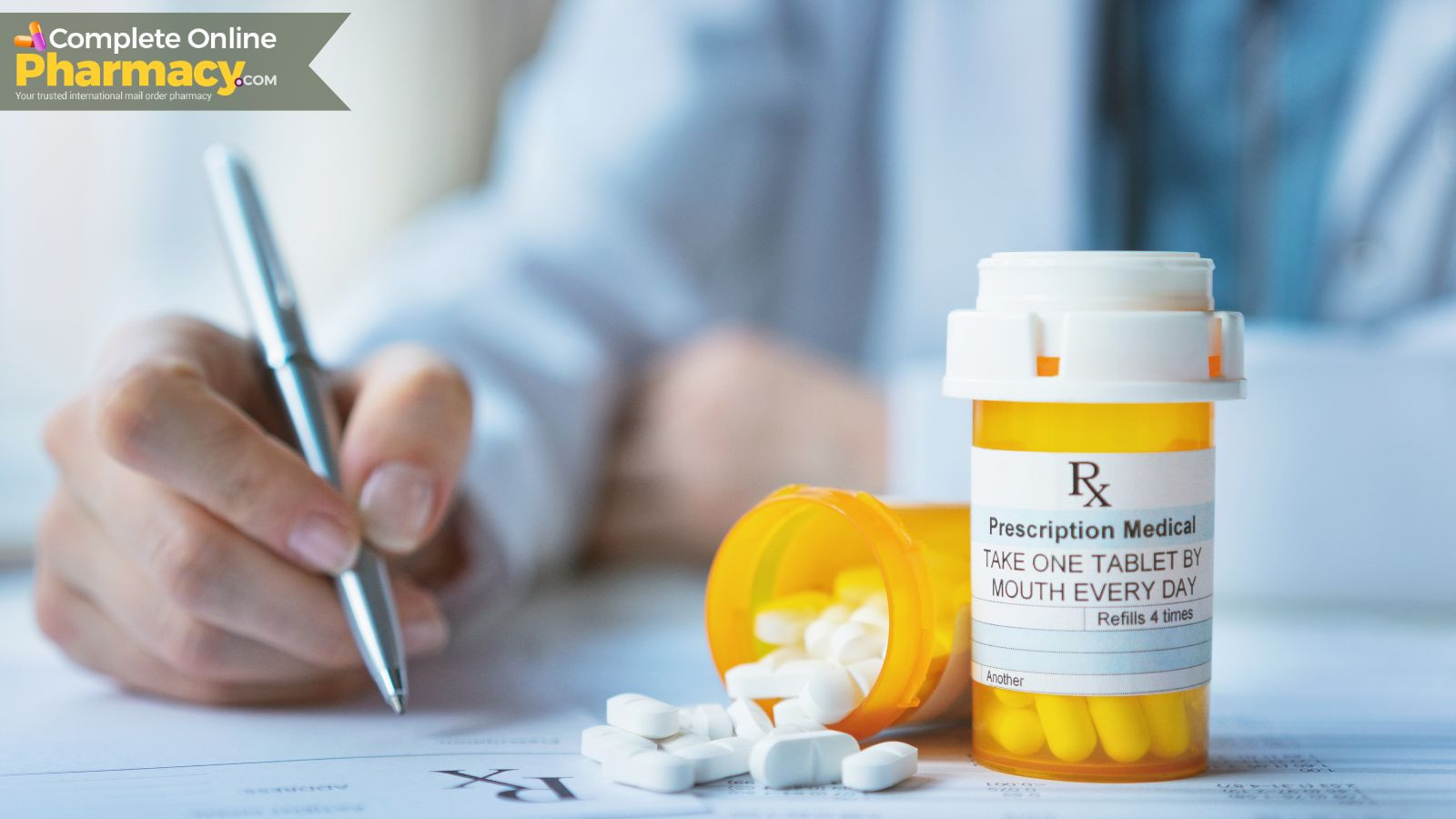
Prescription medications can be easily defined as the medications that require a valid prescription written by a licensed medical professional for an individual, which also includes the dosage and frequency information suggested by the physician. These medications have to go through rigorous quality standards, safety procedures, and efficacy to get approval from the Food and Drug Administration (FDA). Prescription medications are widely used as targeted treatment for particular health conditions such as heart disease, cancer therapies, hypertension, diabetes, etc. Most of the prescription-based medications can be intentionally or unintentionally misused for medical or non-medical reasons, which can be problematic and have negative outcomes. It's always recommended to take these medications as directed by the medical professionals.
OTC, or over-the-counter, medications are generally considered safe to self-treat for common illnesses and can be bought off the shelf without a prescription or doctor’s supervision. On the other hand, a prescription drug requires a valid prescription from an authorized doctor, which is specifically issued for an individual, depending upon the patient’s condition. The prescription medication should strictly be obtained from licensed pharmacies, keeping the higher potency and risk in mind. The additional points highlighted below will help you choose OTC or prescription medication, based on your needs, while you buy medicines online:
It’s essential for us to understand that both prescription and over-the-counter medications must meet the quality standards of the FDA. The availability of any drug, whether it is an OTC or prescription drug, depends on the safety and effectiveness of its active ingredient.
OTC medications are specifically intended for mild illnesses that can be self-diagnosed and are considered safe to self-treat. The purpose of a prescription medication is to treat a complex health condition that is hard to self-diagnose. Prescription medications can easily be misused, which is why a valid prescription is required.
OTC medication can be shared by several people in your family or friends for common illnesses, but prescription medications are specifically prescribed for a certain condition of an individual and cannot be shared under any circumstances, even if you experience common symptoms.
A pharmacist plays an essential role in ensuring the safe and correct use of any medication, whether over-the-counter or prescription. Their expertise strongly supports informed decision-making while filling your prescription or OTC drug. They can help you in identifying potential interactions with other medications and provide personalized treatment advice based on your symptoms. They suggest the dosage, frequency, potential side effects, and the best ways to use the medication. It's important to follow the physician's instructions for the best outcome. Always remember that ignorance or mishandling of certain medications can be life-threatening, so we need to be extra cautious while handling such medications and consult your physician if you have any doubts at any point. It's always a wise decision to double-check rather than regret later.
Before you buy generic Medicines Online in Canada or the United States, you should always follow certain precautionary measures to protect yourself and your loved ones. Be extra cautious when purchasing your medications. Let's take a look at some safety measures that need our utmost attention:
Whether you buy prescription or OTC medication, you should always check the manufacturing date along with the expiry date. You should also check if the package has not been tampered with or damaged.
Always double-check the label of your prescription medication to verify that the medication is correct and matches the doctor's prescription.
Inform your pharmacist about every medication you take, including OTC drugs, herbal medicines, vitamins, and supplements, to avoid drug interaction or overdose.
Never share your prescription drug with anyone, even if you experience similar symptoms. Medication should be stored in a cool, dry place, out of reach of children.
Always educate the physician about any medication or inactive ingredient you are allergic to. Carefully read the ingredients before purchasing.
It's crucial to disclose your medical history with your doctor before purchasing your medications from an online pharmacy in Canada or in the US, as it will help them select the best medication for your condition. Make sure you have answers for all your doubts about the usage, dosage, and duration of use. Do not stop taking medication unless you are asked to.
Taking medication under any health condition becomes crucial for anyone to perform their daily activities, which can be otherwise difficult. However, it is also crucial to understand the difference between over-the-counter and prescription medications so we can choose the right option for our needs. You should always follow your doctor's instructions if it is a prescription medication and your pharmacist's directions if it is an OTC drug on how to safely use your medication for its full benefits. Taking extra precautions when purchasing your medication will not only ensure your safety but also the safety of your loved ones around you. So it becomes our responsibility to ensure we buy our medications from a legitimate online pharmacy that provides a safe, secure platform for all our medication needs, without compromising the quality of the medication. Here at Complete Online Pharmacy, your safety is our utmost priority.
OTC or over-the-counter medications are safe medications for which a doctor’s prescription is not required and are usually used to self-treat minor ailments. On the other hand, prescription drugs are authorized by doctors and require a valid prescription from a licensed medical practitioner to treat certain targeted conditions.
OTC medicines are appropriate for minor illnesses where you are confident that you can self-treat issues such as headache, allergies, cold symptoms, minor body pain, or any mild symptoms. It's crucial to know that OTC drugs are suitable for short-term relief. You should always consult your doctor if the situation persists or worsens.
Prescription medications are essential in curing chronic conditions such as diabetes, hypertension, heart disease, or infections. It can also be efficiently used as a targeted treatment to manage severe symptoms or to eliminate infections, ensuring safety, correct dosage, and effectiveness that requires specialized treatment from a licensed health care provider.
Yes, the OTC drugs are generally considered safe if they are used as directed on the label to treat minor illnesses. Misuse or overdose can cause severe side effects or drug interactions, even if they are approved by the FDA. Consulting your pharmacist is always advised.
OTC medications can certainly be purchased through a legitimate online pharmacy in Canada and in the United States through Complete Online Pharmacy. Here you can find a variety of over-the-counter and prescription medications for your daily needs. The pharmacy provides you with a safe and secure platform to purchase your medication at the lowest price from top manufacturers in the origin country.
 10%
Reorder
10%
Reorder  We will match
 and Earn



Comments