US Toll Free : +1-800-897-1053 Call or Fax 9.30 to 5.30 pm EST Mon to Fri.
- Language
- Refer $
- Track Order
- Request a Call Back
- %
Alcohol dependence syndrome is identified as a serious condition that affects both physical and mental health. It is noticed in people who lose control of their alcohol habits, resulting in significant life impairments. It is defined as a set of behavioral, physiological, and cognitive changes that develop after repeated alcohol use. Traits include a strong desire to consume alcohol and difficulties in controlling alcohol consumption.
Knowing how to recognize and manage this condition is crucial for early detection and effective alcohol dependence syndrome treatment through medications. In this blog, you will learn about alcohol dependence medications, their side effects, and how they work. Lastly, you should count on therapy and counseling sessions as part of Alcohol Addiction Treatment with your healthcare provider or a therapist, along with the medications.
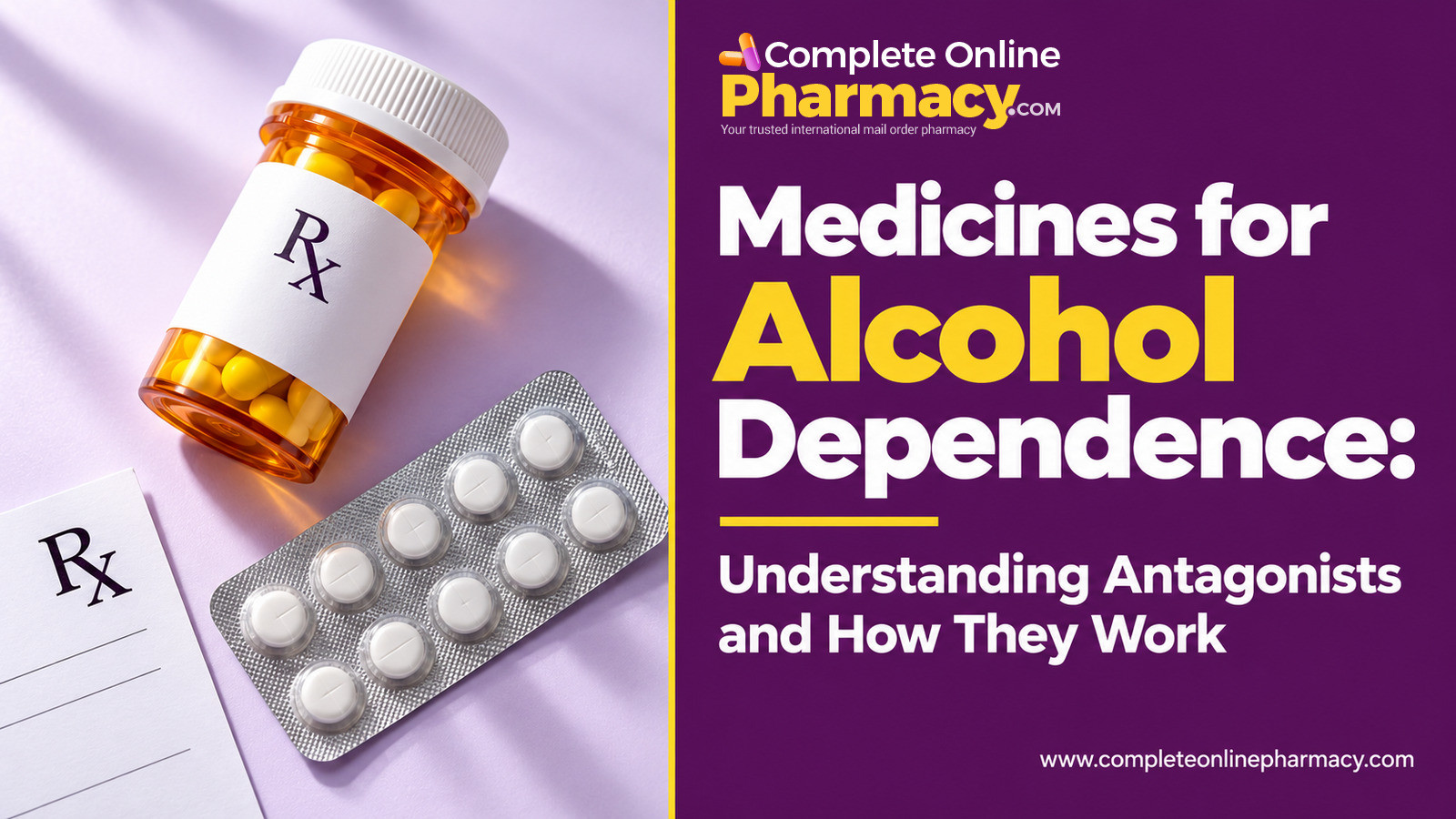
Alcohol dependence is an illness marked by consumption of alcoholic drinks at a level that starts to interfere with physical or mental health and family, social, or occupational responsibilities.
The following are the alcohol dependence medications:
Disulfiram is an FDA-approved drug for the treatment of alcohol dependence and is the first antagonist medication. It blocks an enzyme and, through a chain of effects, leads to unpleasant sensations after drinking (i.e., shortness of breath, tachycardia, tachypnea, anxiety, panic, sensation of heat, headache, nausea, and vomiting). Disulfiram was founded in 1931 and used to help manage alcohol use disorders. Do not mix this medicine with alcohol, as it will cause discomfort. This reaction creates an unpleasant effect that discourages the person from drinking alcohol after taking the medicine.
Your healthcare provider will not prescribe Disulfiram, popularly known as Antabuse, unless the alcohol has been purged from the body. Otherwise, there would be severe withdrawal symptoms. Normally, the medicine's effects usually last up to 14 days after the last dose, covering the time when a dose may have been missed, or a person stops consuming the drug and negates the positive effects of alcohol.
Naltrexone medicine is also sold under the brand name Revia as a regular tablet and Vivitrol as a monthly injection given in a clinic. It works by blocking the pathways of opioid receptors, the docking points that opioids act on and that also play a vital role in the reward tied to alcohol. By obstructing the passage, it reduces the cravings and takes away the high from opioids. If you regularly consume Naltrexone after detox, the drug will stop giving you the positive experiences of drinking (i.e., relapse), separating the positive feelings from alcohol. This is a very preliminary step after detox and after relapse.
The impaired feeling that comes after alcohol intake will not be stopped by this medicine. Some people try to compensate for Naltrexone by drinking more alcohol, but this will still not release the intended effects; instead, it will harm you.
Naltrexone is non-narcotic and non-addictive, but as with any prescription medication, it has side effects such as stomach cramping or pain, anxiety, nervousness, nausea or vomiting, lethargy, headache, joint or muscle pain. Consult your doctor or your healthcare provider if side effects become severe. Though Naltrexone has also been characterized by helping with narcotic addiction, you should always consult a healthcare provider before starting the medication.
Acamprosate is approved by the FDA for alcohol dependence treatment. It reduces alcohol craving and unpleasant withdrawal symptoms, improves abstinence rates and physician cooperation, and is associated with significantly higher treatment completion rates. This medicine is used primarily to achieve and maintain complete abstinence instead of reducing or preventing relapse. Combined with psychosocial interventions, it may help improve abstinence maintenance results in people with serious use disorders.
Acamprosate helps the brain redevelop and function normally and regularly independent of alcohol by blocking the pathways of the positive feelings that come with drinking, reducing the chances of relapse. It will not minimize the withdrawal symptoms or other drug addictions. For this reason, this medicine should only be consumed after the detox period, when a person is on their way to recovery. Common side effects include gas, diarrhea, stomach upset, dry mouth, loss of appetite, dizziness, itching, weakness, nausea, sweating, anxiety, and difficulty falling or staying asleep. If the side effects become severe, contact your doctor or healthcare provider.
If you or your family and friends are struggling with alcohol dependency, don’t wait to look for help. The path to recovery may seem daunting, but with the right support and treatment, a sober and fulfilling life is within reach. Opt for Anti Alcohol Drugs such as Disulfiram (e.g., Antabuse), Naltrexone (e.g., Revia, Vivitrol), and acamprosate ( Campral) that are better at reducing drinking and helping people to stop drinking completely. Moreover, these medications can make a positive difference in your family and friends' lives by supporting their routines. It is important to discuss with a healthcare provider to find the medicines that would best suit them. You can also opt for therapy and counseling as a complete treatment plan along with medications, which can make a big difference for your family and friends. Lastly, taking the first step toward recovery with the right medication dose is worth it.
Anti-alcohol medicines are preferred for alcohol addiction treatment. They are prescribed to reduce the craving for alcohol and help maintain abstinence in people with alcohol dependence. This helps reduce alcohol consumption.
Antagonist medicines used in alcohol dependence work by obstructing the pathway of specific receptors in the brain to disrupt the cycle of addiction. Unlike full agonists, they bind to these receptors without activating them, preventing other substances from triggering a biochemical response.
Disulfiram (e.g., Antabuse), Naltrexone (e.g., Revia, Vivitrol), and Acamprosate ( Campral) are the major medicines commonly used to treat alcohol dependence. These medications are used to motivate patients to avoid relapsing and drinking alcohol.
Medication for alcohol dependence may be prescribed to adults diagnosed with moderate to severe alcohol use disorder who experience regular cravings, heavy drinking, or a high risk of relapse and who wish to reduce or stop drinking.
Not all medicines can help reduce alcohol cravings. Only Naltrexone blocks the craving for alcohol, and this could help people avoid drinking when they have an urge to drink.
 10%
Reorder
 We will match

 and Earn


Comments