US Toll Free : +1-800-897-1053 Call or Fax 9.30 to 5.30 pm EST Mon to Fri.
- Language
- Refer $
- Track Order
- Request a Call Back
- %
03/14/2026
Imagine dealing with a persistent cough, shortness of breath, blood in your sputum, chest tightness, dizziness, wheezing, and fatigue; these symptoms can escalate and lead to serious lung issues, including cancer! Various medications are used to treat lung cancer, and one of them is Iressa 250mg. The primary purpose of this drug is to treat non-small cell lung cancer (NSCLC). NSCLC is one of the most common lung cancer types that generally originates from epithelial cells in the lungs. Iressa 250mg tablet contains gefitinib, which inhibits the growth and multiplication of cancer cells. In this article, we will read about the key uses of Iressa 250mg and how it treats NSCLC.
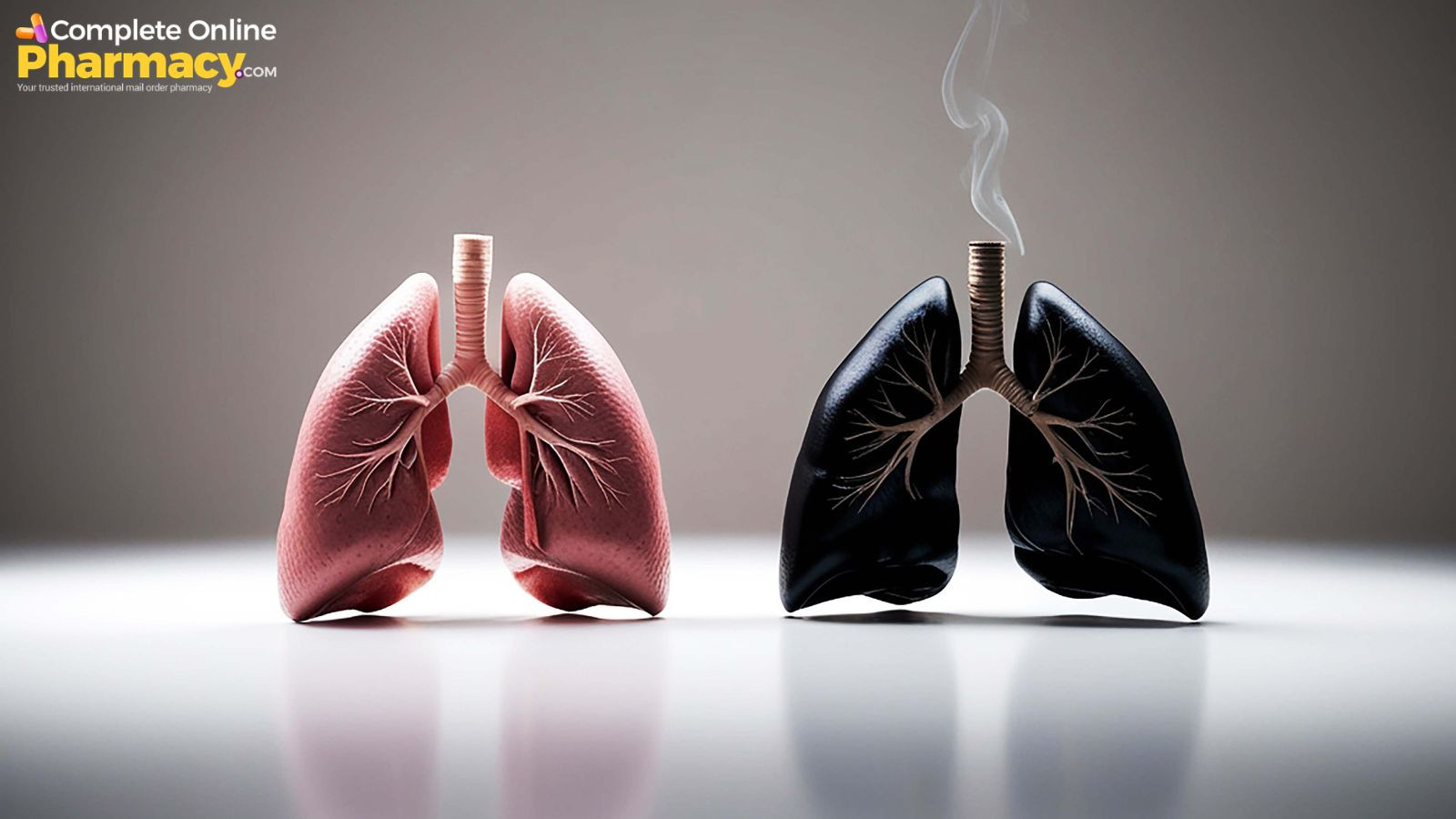
Generic Iressa 250mg Anti-Cancer Tablets are used in the treatment of NSCLC by reducing the blood supply to cancer tumours to slow down the growth of tumours. Here are the detailed uses of Iressa 250mg:
Treats Lung Cancer: Iressa 250mg treats non-small cell lung cancer by blocking the signals that help cancer cells to grow and multiply.
Slows down cancer spread: Iressa 250mg tablets help to shrink tumours and minimize the spread of cancer in patients with specific genetic mutations.
Iressa 250mg can sometimes cause unwanted effects. So here are some common effects:
Stomach pain
Headaches
Severe Diarrhoea
Skin Rashes
Achne
Hair loss
Sore throat
In some cases, Iressa 250mg can lead to more serious side effects, such as:
Liver disease, such as yellow skin or eyes, and dark urine.
Lung-related issues like breathing difficulties, chest pain, or general discomfort.
Symptoms of dehydration include less urine output, dizziness, and extreme thirst.
Severe skin allergies.
Muscle or joint pain.
Stomach issues, such as poor digestion or heartburn.
When taking Iressa 250mg, following these precautions is crucial:
Regular health checks with your doctor are important to monitor the medicine’s effectiveness and potential side effects. Blood tests are crucial for detecting any adverse effects.
It is important to use effective birth control while on Iressa 250mg and for at least 14 days after the last dose, as this medication can harm unborn babies. If you plan to conceive, consult your doctor beforehand.
Make sure to drink enough fluids to keep your urine pale yellow.
If you have diarrhea, keep drinking fluids to prevent dehydration. Also, avoid foods that can upset your digestive tract and cause cramps.
Ensure you moisturise your skin several times a day.
If you get a rash, do not put anything on it without your care team's approval.
Keep the area around the rash clean and dry. You can ask your care team for the medicine if your rash bothers you.
Avoid sun exposure and apply sunscreen routinely when outdoors.
Iressa 250mg is a type of medicine that is also called a Kinase inhibitor. Kinases are proteins that are responsible for sending and receiving signals in the body. These signals are useful to cells that perform crucial functions, such as proper growth. Gefitinib 250mg tablets block a specific type of kinase on the surface of your cells called epidermal growth factor receptor ( EGFR). In many cancers, EGFR has mutations that cause cancer cells to grow out of control.
So Iressa 250mg blocks those mutated forms of EGFR and prevents cancer cells from growing and multiplying.
NSCLC is the most common type of lung cancer. Like all cancers, there are three primary types of NSCLS:
Adenocarcinoma generally begins in the outer regions of the lung, in mucus-producing cells, lining the small airways called bronchioles. Adenocarcinoma tends to grow more gradually compared to the other types of lung cancer, which can help lead to a better prognosis. It can affect both smokers and non-smokers.
It is also called epidermoid carcinoma, and is the second most common kind of NSCLC. Squamous cells are the thin, flat cells lining the surfaces of organs and are found in the lining of the bronchi. These cancers often spread to other parts of the body, making treatment even more difficult. Squamous cells are usually associated with smoking.
It is a rare form of NSCLC. It is aggressive and can occur anywhere in the lungs. Large cell carcinomas have the tendency to grow and spread quickly. It is characterized by large, undifferentiated cells that differ from those of other NSCLC subtypes.
Lung cancer occurs when cell division in the lungs goes out of control, leading to tumours or damage to healthy tissue. Here are some causes of non-small cell lung cancer:
If you have a family history of NSCLC, that also increases your risk of developing this condition. Specific genetic mutations like EGFR, ALK, and KRAS can lead to the development of NSCLC, even in non-smokers.
Smoking is the most common cause of NSCLC. The tobacco in cigarettes consists of various harmful chemicals that are carcinogenic, elevating the risks of lung cancer. The risk of lung cancer from smoking rises with the duration and intensity of smoking.
Passive smoking raises the chances of lung cancer by 20% to 30%. It is the third most common cause of lung cancer in the US. Along with lung cancer, it is also linked with other cancers like breast cancer, brain tumours, and various respiratory issues.
The air that we breathe is filled with pollutants and toxins, whose long-term exposure generally leads to complications like NSCLC. Long-term exposure to pollution, radon gas, and industrial chemicals is a main factor contributing to lung cancer.
Your healthcare expert may recommend surgery as a first line of treatment. During this process, a surgeon removes the tumour and a small amount of healthy tissue.
Chemotherapy uses drugs that attack lung cancer cells. It is one of the most common treatments for NSCLC. Your medical expert might recommend chemotherapy alone or in combination with other therapies.
Immunotherapy involves specific drugs that boost your immune system so it can identify and destroy cancer cells. It is generally used for patients with high PD-L1 expression and can be combined with chemotherapy.
This treatment involves drugs designed for specific types of lung cancer. Targeted therapy finds and attacks the specific cancer cells without harming healthy cells.
This treatment destroys cancer cells, shrinks tumours before surgery, and kills remaining cells after surgery. It is important to treat the early-stage tumours.
Getting out of bed can also be an exhausting task for people suffering from non-small cell lung cancer. Everyday activities become harder to manage, and breathing becomes more difficult over time; these complications can cause frustration.
It is important to explore the best treatment options with your medical professional and come out of this stronger. Treatments like Surgery, chemotherapy, immunotherapy, targeted therapy, and radiation therapies are effective in saving your life from lung cancer. Iressa 250 mg is also one of the effective treatments that helps you to tackle this condition easily, if you follow the prescription properly. Buy Iressa 250mg tablets only if prescribed by your healthcare expert.
Iressa 250 mg is usually prescribed for treating adults with non-small cell lung cancer(NSCLC). It is a targeted therapy that is specifically used for tumours having certain epidermal growth factor receptor (EGFR) activating mutations.
Gefitinib stops cancer cell growth by inhibiting the Epidermal Growth Factor Receptor (EGFR) tyrosine kinase. It is a protein that sends signals to cancel cells to grow and divide. It works specifically on cancer cells with certain EGFR mutations by binding to the receptor and blocking these signals.
Common side effects of Iressa 250mg include rash, diarrhoea, acne, dry skin, nausea, and vomiting. Most effects are mild to moderate and do not require discontinuation of therapy. Common side effects of Iressa 250mg usually do not require medical attention.
Iressa 250mg tablets are generally taken orally, typically once a day, with or without food, ideally at the same time every day. The tablet should not be crushed or broken; it should be swallowed whole with water.
Iressa 250mg is not indicated for children and adolescents under the age of 18. Also, if you are pregnant, breastfeeding, or allergic to Iressa, you should avoid it. Iressa is also not advised for patients with severe kidney issues.
 10%
Reorder
10%
Reorder  We will match
 and Earn



Comments