US Toll Free : +1-800-897-1053 Call or Fax 9.30 to 5.30 pm EST Mon to Fri.
- Language
- Refer $
- Track Order
- Request a Call Back
- %
02/21/2026
If you have landed here on this blog, it’s pretty sure that you are among the 40% of the population in the United States or among 2.5 billion adults worldwide who are suffering from obesity or excessive weight. No matter what your age is, obesity is common in every age group and has been classified as a chronic disease by the WHO. This chronic condition arises not only from eating behaviour, but also from factors such as genetics, neurobiology, limited access to a healthy diet, lack of physical activity, the industrialised food system, etc. Maintaining physical activity and adhering to a healthy diet plan can definitely help, and so can the FDA-approved prescription drugs.
Weight loss medications that are authorized by the FDA are a good option for you if you suffer from obesity, and they have also attracted headlines and sparked conversation on various social media platforms. However, it is tough to separate facts from fiction and to know if these medications are right for you or your loved ones. In this blog, we will focus on what we should know before starting these medications, who they are intended for, and whether they are meant for long-term use. Please join me on this journey to hunt down this chronic condition that is spreading like wildfire and add some healthy and guilt-free moments to your life.
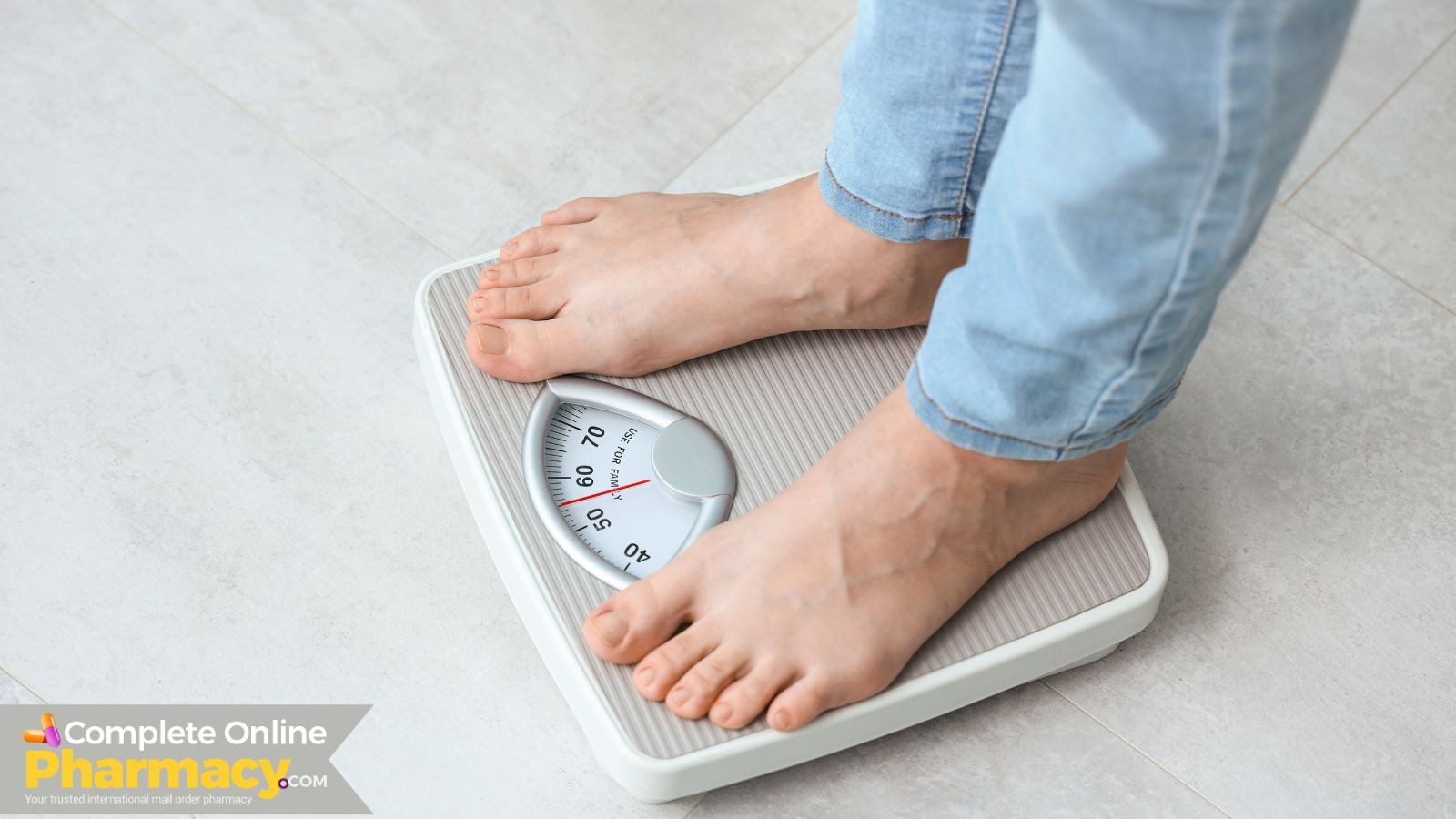
Weight-loss medications such as semaglutide (Wegovy) and tirzepatide (Mounjaro) belong to a group of medications called GLP-1 receptor agonists. The brand names of these medications are Wegovy, Rybelsus, Ozempic, and Mounjaro. These medications were originally developed to treat conditions like type 2 diabetes, which mimics a natural hormone in your body called GLP-1, which helps to control hunger and blood sugar by slowing down the digestion, reducing appetite and cravings, and improving insulin sensitivity. These drugs are approved by the FDA for the treatment of type-2 diabetes and weight loss under some conditions.
Weight-loss drugs are typically prescribed for individuals with a Body Mass Index greater than 30, termed as obese or 27 (Increased weight), with weight-related conditions such as hypertension or diabetes. These weight-loss medications work by blocking fat absorption and suppressing appetite, making your stomach feel full for a longer period, so you avoid unnecessary munching. The FDA-approved drugs for weight loss and chronic management include Semaglutide (Wegovy, Rybelsus, Ozempic), Tirzepatide (Mounjaro), which are GLP-1 agonists that suppress your hunger and require weekly administration, and Orlistat (Alli/Xenical), which is a fat absorption inhibitor that blocks fat absorption. These drugs show their full effects when used in combination with a balanced-calorie diet and increased physical activity. It is always advisable to consult your nutritionist or your doctor before taking any weight-loss medicine, and also discuss your medical history. This will help your doctor to select the correct medication for your condition.
Weight loss drug is generally prescribed for an individual suffering from obesity(BMI greater than 30), which means you have too much body fat and are overweight(BMI greater than 27), along with a weight-related condition such as increased blood pressure level, high cholesterol, or type -2 diabetes. These GLP-1 weight-loss medicines are not intended for everyone but are for those who were not able to achieve desirable weight loss through a balanced calorie diet and exercise. It's crucial for us to know that these medications are not a quick fix and are clearly not recommended for those with a history of multiple endocrine neoplasia syndrome or certain thyroid cancers. That is why it is always recommended to buy prescription weight loss drugs after discussing your medical history, health challenges, and the positives and negatives of weight-loss medications with your doctor. These prescription weight loss medications should not be taken if you are pregnant or breastfeeding, or if you are trying to get pregnant.
Like all the other medications, a few side effects have been reported for generic weight-loss drugs & medications, but it is not seen in everybody and is usually mild and may go on its own as your body adjusts to the medication. The most common side effects that you may experience include gastrointestinal problems, such as:
Vomiting
Nausea
Constipation
Stomach pain
Diarrhoea
Although less common, some of the serious side effects reported are:
Kidney damage
Pancreatitis
Gallbladder issues
Potential changes to vision.
You may also regain weight after stopping this medication. It is always better to consult your health care professional to discuss any side effects that are bothering you for a long time. Also, the above list may not be a complete list, so always discuss your condition with your doctor if you notice anything unusual.
The main objective of taking weight loss medication is to lose weight. It becomes important for us to understand that weight loss medication is not for everyone, but for someone suffering from any health condition related to weight loss, like type-2 Diabetes, Hypertension, and Cholesterol, and who has failed to lose weight through lifestyle changes. Weight loss medication, on the other hand, can make significant progress in your overall health and help you reduce the risk of heart disease and hypertension. It helps you to lower blood pressure, cholesterol, and blood sugar. The weight loss further helps your joints and muscles move more easily without pain, giving you the confidence to improve your overall well-being.
A weight loss journey can be tougher than climbing a mountain, but you are not alone in this battle. According to a recent definition of obesity that considers body fat location and not just body weight, it could put 70% of the US adult population at risk. In some cases, even taking a healthy diet and exercising cannot help with weight loss. Excessive weight can lead to many medical conditions. In such cases, the weight loss medications come into the picture for those who have tried everything under the sun with no results. Weight-loss drugs help you reduce your appetite and increase your feeling of fullness. It can also impact the process of how your body burns or stores fat. But there are risks and side effects that should also be kept in mind before taking these medications. You should always consult your nutritionist or your health care provider before taking any of the weight loss medications so that you know how it can affect you in the long run. With better planning and expert advice, you are going to win this battle and live your life again with confidence.
Highly effective FDA-approved medications such as Tirzepatide (Mounjaro) or Semaglutide (Rybelsus or Wegovy) have been proven to reduce appetite and can result in significant weight loss of up to 22.5% and 15%, respectively.
Adults suffering from obesity, overweight, and at least one weight-related health concern, such as hypertension, type 2 diabetes, or high cholesterol, may consider weight-loss medication. These medications are intended for people who haven’t lost enough weight with lifestyle changes alone. They should be used alongside a lower-calorie diet and more physical activity.
Prescription-based weight loss medications are indeed a safer option as compared to the over-the-counter medications, as the prescription drugs are approved by the FDA after rigorous clinical trials without compromising their efficacy and safety. On the other hand, the over-the-counter medications do not go through strict clinical trials and may contain hidden ingredients, and are not scientifically backed.
Some of the common side effects of using weight loss medication, which often improve over time, are gastrointestinal issues such as vomiting, nausea, constipation, stomach pain, and diarrhoea. Although less common, some of the serious side effects reported are kidney damage, pancreatitis, gallbladder issues, and potential changes to vision. You may also regain weight after stopping this medication.
If you are on a weight-loss medication such as a GLP-1 agonist (Wegovy, Mounjaro), you will start seeing results in 3-4 weeks, with noticeable changes in 3 months. Significant weight loss is generally achieved when you are consistent with the treatment for 6 months to 1 year.
 10%
Reorder
10%
Reorder  We will match
 and Earn



Comments