US Toll Free : +1-800-897-1053 Call or Fax 9.30 to 5.30 pm EST Mon to Fri.
- Language
- Refer $
- Track Order
- Request a Call Back
- %
When your healthcare expert prescribes a medication, you may observe that the same active ingredient is available under different brand names and at very different prices. Your healthcare expert may also suggest a lower-cost alternative. This can confuse you and leave you wondering: What is the difference between generic medicines and brand-name medications? Are generics effective? Why do prices vary so much? The key point is that generic medications are designed to provide the same therapeutic effects as the corresponding brand-name medication, although they may vary in name, appearance, inactive ingredients, manufacturer, and price.
In this blog, we will debunk the misconceptions and state facts about generic vs brand-name drugs.
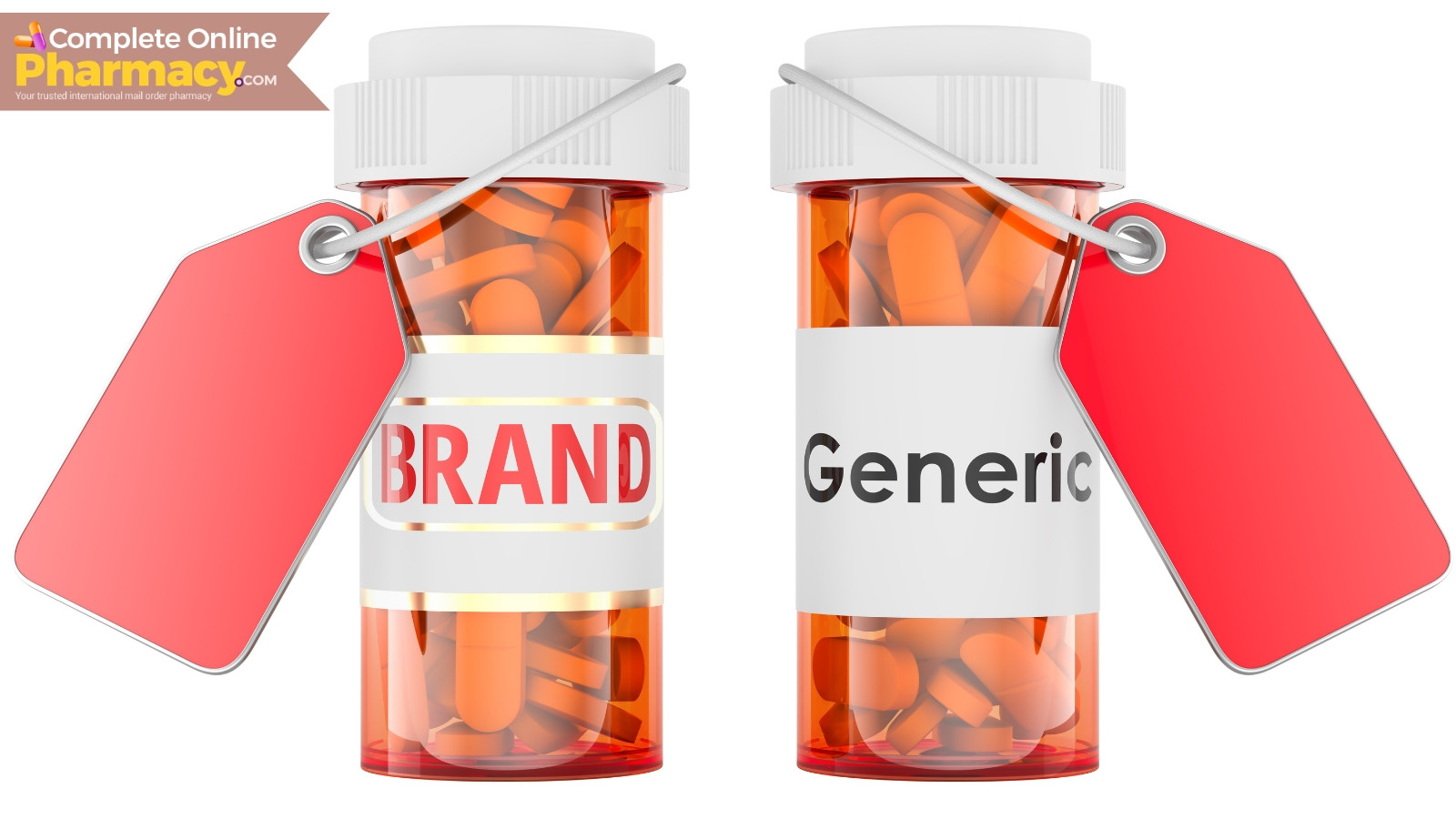
A generic medicine has the same active pharmaceutical ingredient (API) as the corresponding brand-name medication. The active ingredient is a substance that produces the intended effect in the body, so approved generic drugs are used to manage the same medical conditions as the original medicines. You can consume a generic drug as an equal substitute for its brand-name drug counterpart. The main intent of generic drugs is to help customers buy the required drug for the cure within their budget. Generic medications are sold under a different name and may contain different inactive ingredients, and may vary in taste, shape, size, and texture as compared to their brand-name drug counterparts.
A brand-name medication is the original drug that has been developed by a pharmaceutical company. When a company develops a new medication, it must go through thorough testing and evaluation to ensure it is effective in curing the disorder it claims to treat and safe for human use. Pharmaceutical companies are given the sole right to manufacture and distribute a medicine for a specified period because they invest considerable amounts of money to develop it.
When a pharmaceutical company is given the sole right to manufacture and distribute a medication, the medication is said to have a patent. For a period after a patent is granted, only the patent holder can produce an identical version of the patented drug; therefore, the medication belongs exclusively to the original company. This is why brand-name medications are often the most trusted version of a particular drug.
Many patients often wonder if generic drugs work as well as brand-name ones. This question comes up despite decades of clinical evidence and strict global regulations. There are certain myths that create unnecessary confusion. Let’s break down some of the most common misconceptions and unfold the facts behind them.
Generic drugs have the same active ingredients as brand-name drugs and must demonstrate bioequivalence, which means they work the same way and provide the same therapeutic effect. Regulatory bodies closely assess all the generics for quality and potency before approval. The difference lies only in the packaging, not in the quality.
The lower cost of generic drugs does not mean they are low in quality or are substandard. The lower cost is due to reduced research, development, and marketing costs. After a brand-name drug's patent expires, other manufacturers may produce the same medication without incurring the costs of the original research and development. This is the reason why generics are more affordable while providing the same safety and efficacy.
Approved generics provide the same amount of active ingredient within the same time frame as brand-name medications. They consist of the same dosage forms, strengths, and routes of administration. The therapeutic effects also remain consistent. The only visible differences may be in the color, shape, and packaging style of the tablet.
Generally, people think that brand-name drugs are always safer in comparison with generic drugs. Both brand-name and generic drugs undergo rigorous regulatory testing and ongoing monitoring for adverse effects. All medications must meet the same safety and quality standards before entering the market. Post-marketing surveillance systems make sure that any safety issues are seriously addressed, regardless of whether the drug is generic or brand-name.
It is a very common myth that generics are made in unregulated facilities, whereas the fact is that generic medications are manufactured in Good Manufacturing Practice (GMP) compliant facilities that adhere to the same stringent inspection standards as those used by brand-name drug manufacturers.
Generic medications are equivalent to brand-name medications. Since they provide the same clinical benefits and work the same way, they can be taken interchangeably. That’s why your healthcare provider dispenses generic medications when authorized by you or your prescriber, even if you previously received the brand-name version.
The FDA mandates that generics have the same clinical benefits and risks as their brand-name versions, so one version should not cause more side effects than the other. Like all medications, generics may also cause the side effects associated with their active ingredient. Generic medications have no additional side effects. If a certain brand-name drug can create a side effect in some patients, its generic alternative can also cause the same.
The biggest difference between generic and brand-name medications is usually cost and branding rather than the active ingredient itself. Here is a simple comparison between brand-name and generic medicines.
| Feature | Brand-name Medications | Generic Medications |
| Active Ingredients | Original formulation | Same as the brand-name |
| Therapeutic effect | Intended to be same | Intended to be same |
| Appearance | May vary | May vary |
| Marketing expenses | High | Lower |
| Availability | Immediate upon approval | After patent expiration |
| FDA Approval | Full clinical trials | Bioequivalence required |
| Cost | Usually higher | Usually lower |
Generic and brand-name drugs have an equally significant place in today’s healthcare scenario. Both types of medications have the same composition and are expected to produce the same results in effectiveness and efficiency. The choice between them depends on individual requirements, insurance coverage, and sensitivity to inactive ingredients. For most people, generic medicines offer an amazing opportunity for saving money without compromising treatment effectiveness. Debunking myths and understanding the facts empowers you to make informed decisions regarding prescription medications and optimize both your health outcomes and your health budget.
Yes, generic drugs are as effective as brand-name medicines. The FDA requires bioequivalence testing to ensure generic medications provide the same amount of active ingredients to your bloodstream, producing the same therapeutic effects as the original brand-name formulation.
Yes, generic drugs contain the same active ingredients as brand-name drugs, ensuring they provide the same medical benefit, strength, and safety profile as brand-name medications. The only difference is inactive ingredients, such as flavor, colors, or preservatives, which do not change how the medication works in your body.
Generic medicines are usually cheaper because manufacturers do not have to pay for the original research, clinical trials, and high marketing costs that brand-name medicines invest while developing a new medicine.
Yes, generic medicines are strictly tested and required to meet the exact same high standards for safety, quality, and effectiveness as brand-name drugs.
You might choose a brand-name medicine if you are sensitive or allergic to the specific inactive ingredients used in generic versions. Moreover, doctors generally prefer brand-name medications for narrow therapeutic drugs (like certain thyroid and seizure medications) where even tiny formulation variations can affect safety and effectiveness.
 10%
Reorder
10%
Reorder  We will match
 and Earn



Comments