US Toll Free : +1-800-897-1053 Call or Fax 9.30 to 5.30 pm EST Mon to Fri.
- Language
- Refer $
- Track Order
- Request a Call Back
- %
When your healthcare provider tells you that you have mild high blood pressure (hypertension), it is the right time to start medication. If left untreated, mild high blood pressure can worsen and increase the risk of heart disease and stroke. Nobody wants to get into this situation, so you should be on the right medication before the situation gets out of your hands. One such drug that has come onto the market is Norvasc 2.5 mg tablets, designed to treat mild high blood pressure. Norvasc is the original brand name, and the generic name of the drug is Amlodipine. This medicine is a calcium channel blocker that functions by affecting the calcium movement into the cells of the heart and blood vessels. This relaxes the blood vessels, lowers blood pressure, improves blood and oxygen supply to the heart, and reduces its workload. This medicine is available by prescription from your doctor.
Norvasc is also available from online pharmacies as Generic Norvasc. Now let’s understand what generic Norvasc is, how to take amlodipine safely, the common side effects of amlodipine 2.5 mg, warnings and precautions for taking Norvasc, who should not take amlodipine 2.5 mg, lifestyle changes to consider with amlodipine, and when you should consult your healthcare provider.
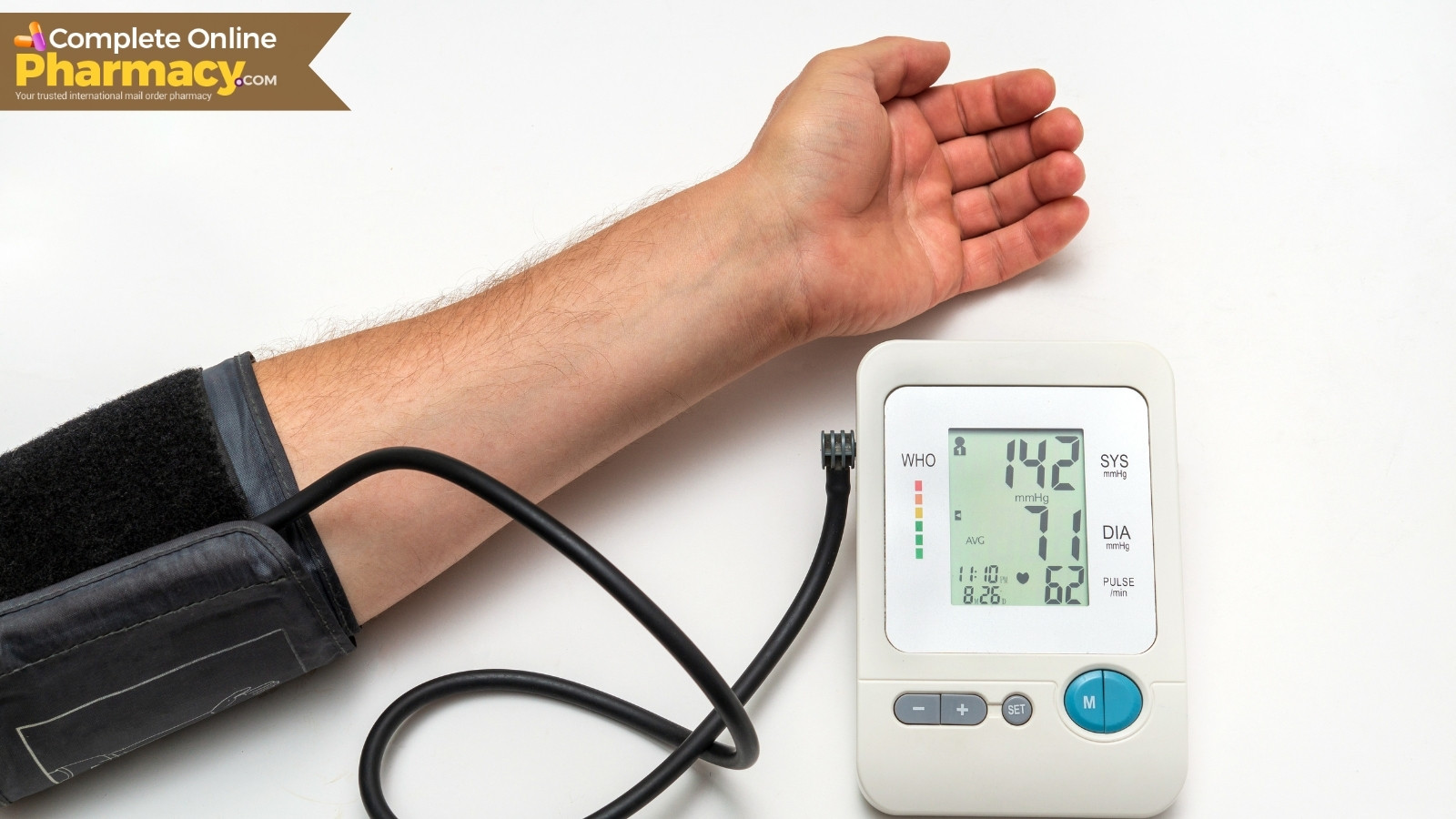
Generic Norvasc contains the same active ingredient (amlodipine besylate) as the brand-name Norvasc. These medicines are as effective and safe as their brand-name versions. They belong to the drug class called calcium channel blockers. The generic name before Norvasc states that it is affordable, i.e., significantly cheaper than the brand name, and affordable to those who need to manage high blood pressure long-term. Its authorization is dependent on efficacy and safety data from studies on the authorized medicine. These are approved by the FDA (Food and Drug Administration) and work in the same way and provide the same clinical benefits and risks as their brand-name counterparts.
Take Amlodipine exactly as prescribed by your doctor. You should take Amlodipine:
Usually once a day.
At the same time each day, before or after eating
With or without food
Without alcohol, as alcohol can lower your blood pressure
Do not stop taking amlodipine without speaking with your healthcare provider, even if you feel well. Amlodipine has been used and studied for years and has been clinically proven to be safe to take long-term.
Amlodipine 2.5 mg can cause certain side effects. Many are mild and temporary, improving as your body adjusts. The most prevalent side effect is edema (swelling in both legs). Other common side effects include:
Dizziness or light-headedness when you are standing
Headache
Flushing or feeling warm
Fatigue
Stomach pain, nausea
Side effects are mild and don’t last long. It’s better to let your healthcare provider know if side effects bother you or don’t get better.
Less common side effects, if they persist,
Severe or sudden swelling
Fainting
Chest pain that gets worse
Irregular heartbeat
These symptoms are uncommon, but you should have them checked by your healthcare provider right away.
Avoid eating large quantities of grapefruit or drinking large quantities of grapefruit juice, as grapefruit juice contains one or more components that can alter the metabolism of some medications, including Norvasc.
Be careful before you drive, operate heavy machinery, or do anything else that could be dangerous, as Norvasc may cause dizziness or drowsiness in some people.
Do not take Norvasc during pregnancy, as it will harm your unborn baby.
This medicine is not meant for use in children under 6 years of age.
Consult your doctor if you are 65 years or older to lower the dose as recommended.
Do not take this medicine if you have a history of heart disease or liver problems.
Amlodipine 2.5 mg may not be right for everyone. You should not take this medicine if you are suffering from:
Liver disease
Very low blood pressure
Coronary artery disease or clogged arteries
Severe narrowing of a certain valve in your heart (aortic stenosis) or other heart problems
You should not take this medicine if you are older than 60 years.
Taking medicine is just one part of managing blood pressure. Amlodipine works best when you use it along with healthy habits such as:
Staying physically active
Eating a balanced, heart-healthy diet
Managing stress
Monitoring your blood pressure at home if your healthcare provider recommends it
These steps can help keep your blood pressure under control and support your heart health in the long term.
Consult your healthcare provider if you have:
Side effects that don’t improve
Blood pressure that goes high
Questions about your dose or medication interactions
New symptoms or symptoms that are getting worse
Amlodipine for hypertension is a medication that your doctor may prescribe to help lower your blood pressure and improve your blood flow. When you take it consistently and combine it with healthy habits, it can play a vital role in protecting your heart. That means lowering your blood pressure may minimize your risk of a stroke or heart attack. The blog also discusses potential side effects, which are mild and manageable, though some people experience bothersome swelling in the feet and ankles. Understanding how to take the medication dose, what side effects to expect, and how to take it correctly will help you get the best results.
Norvasc 2.5 mg is used to treat angina (chest pain) and other conditions caused by coronary artery disease, i.e., narrowing of the blood vessels that supply the heart with blood. This medication controls chest pain by increasing the blood supply to the heart. If you take this medicine regularly, it will help you control chest pain.
Yes, compared to other amlodipine doses, 2.5 mg is a low dose for mild high blood pressure.
Amlodipine reduces your blood pressure by relaxing and dilating your blood vessels, making it easier for your heart to pump blood around your body. It reduces the risk of serious problems like heart attacks and stroke. It also prevents angina attacks.
Common side effects of Norvasc include leg or ankle swelling, dizziness, flushing (a hot or warm feeling in your face), and heart palpitations (i.e., a very fast heartbeat). Other side effects of Norvasc include nausea, fatigue, stomach pain, or extreme sleepiness.
Amlodipine reduces blood pressure within 4 to 8 hours after a single dose. As blood pressure decreases gradually, a patient’s heart rate is not affected because physiological reflexes, such as an increase in heart rate, are not activated. Amlodipine is well absorbed and slowly excreted, so it takes 7 to 10 days of once-daily dosing for blood levels to stabilize.
 10%
Reorder
10%
Reorder  We will match
 and Earn



Comments